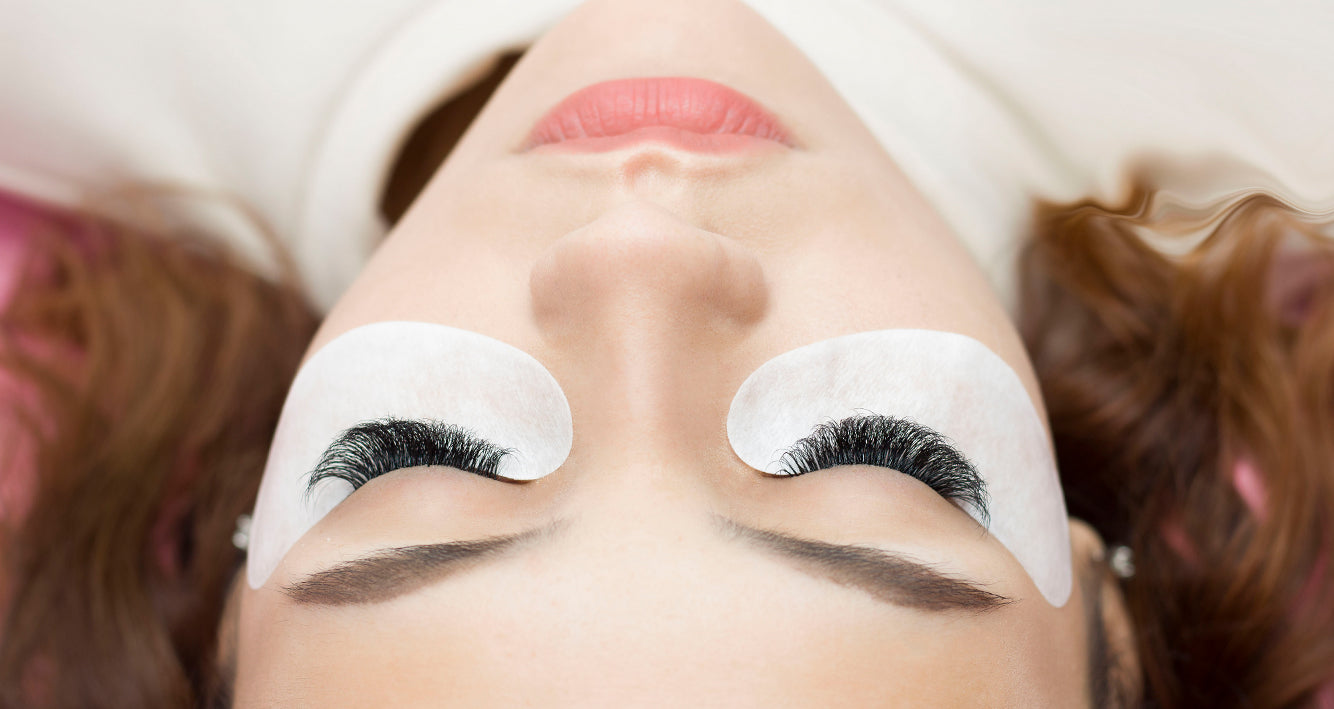


Removing eyelash extensions seems simple, yet many end up making mistakes that compromise lash health or cause irritation. Below are the five most common mistakes, and how to properly avoid them
1. Using expired eyelash remover
Using an old or expired lash extension remover can reduce its effectiveness. Over time, the chemical composition may degrade, resulting in the glue not dissolving properly, which can lead to incomplete removal or an increased risk of irritation.
Dreamy’s advice: Always check the production and expiration date before use. If the remover is past expiry or has been opened for too long, discard it and use a fresh product stored correctly.
2. Using DIY or Oil-Based removers
A common temptation is to use DIY methods or household oils to remove extensions, but these are risky. Oil-based products or basic removers typically do not fully dissolve the special adhesive (often cyanoacrylate) used for lash extensions. The result is that extensions may appear loose superficially, but the real glue remains, which can lead to pulling out natural lashes or cause irritation. Moreover, using oils or general removers near the eyes can increase the risk of eye irritation or even infection.
Dreamy’s advice: Use only professional-grade lash extension removers formulated for dissolving adhesive.
3. Not protecting the client’s eyes.
Failing to shield the eyes or under-lash area during removal is another frequent mistake. Without protective under-eye pads or tape, remover can drip or seep toward the skin or eye, causing stinging, redness, or burns.
Dreamy’s advice: Always use lint-free pads or eye pads under the lower lashes, ask the client to keep eyes closed, and apply remover precisely at the lash base — not on skin or eyelid.
4. Rushing the process
Many lash artists rush to finish removal too quickly, applying remover and immediately trying to pull off extensions. This is dangerous. If the lash glue hasn’t dissolved fully, pulling can rip off natural lashes or damage follicles.
Dreamy’s advice: Be patient. Allow remover enough time as per product instructions (often several minutes) so the adhesive can dissolve thoroughly before gently sliding off the extensions.
5. Using the wrong type of lash extension remover
Not all removers are created equal. Some removers, such as overly runny gels or harsh solutions, may be difficult to control, risk getting into the eyes, or may not be effective with strong lash glues. Using an improper remover increases the chance of irritation, incomplete removal, residue, or lash damage.
Dreamy’s advice: Select a remover appropriate for your skill level and the client’s eye sensitivity. Many professionals recommend a cream-based remover, which is easier to control and less likely to drip into the eyes.
How Cream Lash Removers Help You Avoid Them
Using a proper cream-based lash extension remover is one of the safest ways to remove extensions. Here’s why:
Better control
The thick, non-runny texture helps you place remover precisely at the lash base without risking drips toward the eye.
Gentle on lashes and skin
It dissolves adhesive gently without excessive pulling or rubbing, minimizing damage to natural lashes and follicles.
Safer for sensitive clients
Less likely to cause irritation or chemical burns compared with harsh or oil-based removers.
Cleaner, complete removal
Cream remover allows the lash glue to dissolve more evenly, helping fake lashes to slide off smoothly rather than being forcefully pulled.